
UK Government Expands Police Facial Recognition Despite Civil Liberties Backlash

UK Government Expands Police Facial Recognition Despite Civil Liberties Backlash

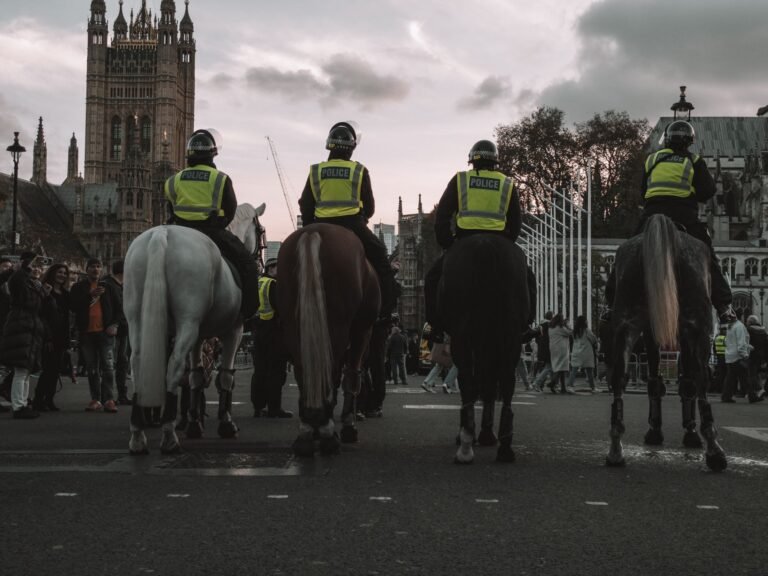
The Metropolitan Police will install permanent facial recognition cameras across London’s West End and Soho by the end of 2026, a decision that crystallises a peculiar democratic problem: the technology expanded before the law existed to govern it, public concern mounted after deployment became routine, and the government now proposes regulation for a system already…

Campus Cards Go Digital: Universities Ditch Physical IDs for Smartphones and Wearables

Universities across Britain are replacing physical student cards with smartphone credentials, outsourcing a fundamental institutional function to technology vendors and creating new dependencies that administrators are only beginning to understand. The transition accelerates a pattern familiar from contactless payment systems on public transport: convenience delivered, institutional control surrendered. Every UK university now reports experiencing cyber…

Digital Sovereignty Goes Global: How Europe’s Data Control Framework Is Reshaping Policy in South Korea and Australia

Allied democracies are discovering that digital sovereignty means choosing between incompatible visions of how data infrastructure should work. Europe’s model, formalized in June through the Sovereign Cloud Framework, establishes government control over data processing as a procurement requirement. South Korea and Australia now face the practical consequences: their existing relationships with American technology providers increasingly…